Improved patient communication among top ideas to improve Nova Scotia health care

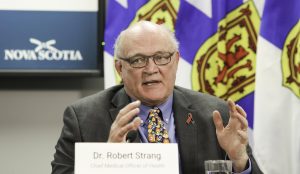
Nova Scotia released results of the Healthcare Improvement Challenge on Monday. (Communications Nova Scotia photo)

By Rick Conrad

Better communication with patients was among the 10 most popular ideas from Nova Scotia health care workers in response to a government survey of low-cost ways to improve the health system.

The Healthcare Improvement Challenge contest launched in October. The government was looking for ideas that were easy to implement with little to no funding. Eligible submissions were entered into a random draw for prizes of $1,000.

The contest received more than 2,200 submissions from Nova Scotia health care workers.

Their ideas were narrowed down to a shortlist of 20. The public then voted for their Top 3 from that list, from Dec. 20 to Jan. 8.

“The people who know our healthcare system best told us what common-sense, low-cost and easy-to-implement improvements we could make, and Nova Scotians chose those they felt would have the biggest impact,” Premier Tim Houston said Monday in a news release.

Houston said the 10 ideas are now priorities and the government will work with health-care providers to make them happen, where possible. He didn’t provide a timetable of when these suggestions would become reality.

Here are the Top 10 vote getters.

  1. Set up a text notification system to remind patients of their appointments.
  2. Give patients the option to get appointment letters by email instead of regular mail.
  3. Allow audiologists to send direct referrals to ear, nose and throat specialists instead of making patients go to their primary care provider for the referral.
  4. Reduce pressure on nurses by allowing continuing care assistants to work to their full scope of practice by doing things like taking vitals. 
  5. Install monitors in all emergency departments that show wait times and other related information about what a patient should expect in an ER.
  6. Enable hospital caller ID so patients can see when the hospital calls. 
  7. Stop using ER for pre-operative bloodwork for patients scheduled for a Monday morning procedure. Instead, offer them priority appointments before the weekend.
  8. Make intake for surgery or specialist appointments faster by allowing patients to pre-register online for their surgery or specialist appointment. 
  9. Develop a registration app, where patients can enter their information, generating a QR code. They can then show this code to clerks to scan this on the patient’s arrival, saving time and data coding errors.
  10. If patients book an appointment for diagnostic imaging like an MRI or ultrasound online, give them the optoin to cancel online.

Email: rickconradqccr@gmail.com

Listen to the news update for Jan. 15 below

Nova Scotia asks feds to send help now to fight fires

A water bomber flies through the smoke of a forest fire

A water bomber flies through the smoke of a forest fire in Shelburne County. Photo Communications Nova Scotia

Nova Scotia Premier Tim Houston wants to ensure every bit of available help is coming to fight the largest forest fires in the province’s history.

A letter sent from the Premier’s office to the Prime Minister Wednesday lays out a long list of needs including military personnel and equipment, helicopters, vehicles and temporary housing for firefighters coming from out of province.

An update provided by the Department of Natural Resources and Renewables Thursday morning shows approximately 20,000 hectares are burning across 16, the largest wildfire is in Barrington Lake in Shelburne County at 18,173 hectares.

During Thursday’s briefing, Premier Houston said the list of requests included in the letter is not meant to be exhaustive.

He is asking the federal government to inform Nova Scotia of other supports that could be helpful instead of waiting for a request.

In the letter he states, “You know your resources best and know what can help in a situation like this. Given the seriousness, any other resources at the disposal of the Federal Government that we haven’t mentioned but could help, please send. We ask for your common sense and support. If we have used the wrong terminology in any of our asks, or there are issues with the format of the ask, please be proactive and help us assist struggling Nova Scotians as quickly as possible.”

Houston says he learned lessons from Hurricane Fiona in September of 2022 that he doesn’t want to see repeated in this emergency.

“Once we’d kind of been through the urgency of the crisis, in my discussions with the Prime Minister, he looked me in the eye at one point and said the Nova Scotia didn’t fill out the proper forms and that’s why the support hadn’t come as quickly. I of course disagreed with that assessment but suggested that even if that assessment were true, there’s a time to act and there’s a time to get more fulsome paperwork later, and there was a time to act and it was missed,” said Houston.

“So, with that experience in mind I was not willing to leave any room for a repeat when people’s houses were literally burning. So, we fill out the paperwork and we go through the channels but at the same time it’s my hope that the Prime Minister and members of cabinet, members of parliaments recognize that there’s a time for action and the time for action is right now.”

The Premier’s letter also looks ahead for ways the federal government can support Nova Scotia once the fires are out.

The province is looking for early access to federal disaster relief funding through the Disaster Financial Assistance Agreement, and commitments to match Red Cross donations and rebuild critical infrastructure.

Houston also asks for Ottawa to provide a temporary leave benefit to assist people unable to work because of being displaced or firefighters taking time from their jobs.

The Premier said in a normal year Nova Scotia would face fewer than 100 wildfires. This year there have already been 196 and counting.

He said the increase in number and size of the fires has overwhelmed provincial resources well beyond what they are normally prepared to fight.

While thousands of people have been displaced, Houston says the situation could be much worse if not for the bravery and dedication of everyone involved.

“We’ve never faced wildfires like this before and we have them all at the same time. I think the remarkable thing that people should not lose sight of is zero missing people. Zero reported deaths. Zero serious injury. I mean, that says a lot about the response,” said Houston.

Fire crews are fighting a forecast calling for dry conditions and temperatures in the 30-degree Celsius range Thursday.

A reprieve may be on the way as Environment Canada is calling for showers to begin overnight Friday and rain continuing to fall over the weekend through Tuesday.

A team of Nova Scotia firefighters is expected to return from the Northwest Territories to join the effort this weekend.

The province has already received support from other provinces in the form of water bombers from Newfoundland and Labrador and New Brunswick and firefighting personnel from Prince Edward Island.

Another press briefing is scheduled for Thursday afternoon to provide an update on how the firefighting efforts are proceeding.

E-mail: edhalversonnews@gmail.com

To listen to the broadcast of this story, press play below.

Premier orders Nova Scotians out of the woods as fires burn out of control

A man in silhouette against a map showing Nova Scotia forest fire

A fire official looks at area affected by fire. Photo Communications Nova Scotia

The Nova Scotia Government has banned all activity in wooded areas across the province.

Premier Tim Houston announced the measures which include all recreational and commercial activity during an update on Tuesday.

Houston said some commercial exceptions may be issued, but permission must be granted by the Department of Natural Resources and Renewables.

The province has already issued a full burn ban across Nova Scotia until June 25 and Halifax had banned all off-highway vehicles from their trails.

Houston said six illegal fires were reported Monday night and people need to follow the ban, for everyone’s safety.

“Six illegal burns reported just last night is just mind-boggling. So, no burning. For God’s sake, stop burning, stop flicking your cigarette butts out your car window, just stop it. Our resources are stretched incredibly thin right now fighting existing fires,” said Houston.

Manager of Forest Protection with the Department of Natural Resources and Renewables Scott Tingley confirmed the fires raging across the province are beyond the department’s capacity.

“These fires are beyond our resource capacity and that’s why we’re prioritizing resources and that’s why they remain out of control. That’s why we continue to ask for help and bring in additional resources,” said Tingley. “This is unfortunately, the nature of emergency response.”

Tingley says the province has already had 195 fires burning 13,000 hectares this year.

There are currently 13 active wildfires, eight of those started Monday and three are out of control.

The forest fires in Tantallon and Shelburne are having an impact on Queens.

As of Tuesday, the fire in neighbouring Shelburne County is still out of control, burning over 10,000 hectares.

Department of Natural Resources and Renewables has dispatched 50 DNRR firefighters and three helicopters to the fire, joined by 40 local volunteer firefighters and two water bombers from Newfoundland and Labrador.

Region of Queens Mayor Darlene Norman says the municipality will be offering the use of the South Shore Regional Airport to the DNRR helicopters.

Norman says that would save the helicopters from making the almost 400km round trip to Debert where they currently refuel.

A fuel tanker will need to be brought to the site as the fuel used by South Shore Flying Club members isn’t compatible with the water bombing helicopters.

DNRR is already using the airport to support and refuel the smaller fire watch prop planes.

Norman says while Queens has been unaffected by fires so far, she is still concerned.

“Rivers are at end of August levels,” said Norman. “Lakes are low, woods are dry; exceptionally, exceptionally dry, dry terrain.”

Norman says she’s been getting calls from people requesting the Region close all municipal parks as a precaution.

Those are included under the provincial ban and are now off limits.

Norman says she agrees with those measures and asks Queens residents to refrain from taking any chances.

“The least spark. The hot exhaust. There’s so much that can trigger a fire with this dryness. I ask that people who smoke, I don’t believe any cars come with ashtrays in them anymore. So perhaps, just keep a bottle of water with a cap on it in your car to put your cigarette butts in,” said Norman.

Provincial officials are warning the smoke from the fires can seriously affect the air quality in surrounding areas.

Residents are being told to close windows and doors, especially at night when the cooler air and clear skies allow the smoke to travel further.

While not as serious as an out-of-control fire, several businesses and organizations reported losing their internet connection on Monday, affecting point of sale payments, access to online business software and the ability to communicate to clients through e-mail and social media.

The South Shore Regional Centre for Education is also reporting issues with tracking absences through their Powerschool software that could result in a false notification of a student absence.

Installation of a new self-registration system at Queens General Hospital also had to be postponed.

The internet connection appears to have been restored by later in the day.

The province has also established a text line to help people cope with the stress of the fires.

Nova Scotians can text HOPENS to 393939 to receive supportive text messages that are aimed at helping develop healthy personal coping skills and resiliency.

E-mail: edhalversonnews@gmail.com

To listen to the broadcast of this story, press play below.

Committee calls for quicker move to $15 minimum wage

Fifteen dollars in five dollar bills

Photo Ed Halverson

The committee tasked with setting the minimum wage has proposed to raise the rate to $15/hour six months sooner than planned.

In its annual review the Nova Scotia Minimum Wage Review Committee recommends reaching the $15/hour mark by November of 2023.

It also proposes tying future increases to the national consumer price index plus one percent.

By using CPI plus one percent the committee is attempting to ensure minimum wages keep pace with inflation.

When the rate of inflation goes up quicker than CPI it means those on minimum wage make less money even though they’re paid the same wage.

During a press availability following Thursdays cabinet meeting, Premier Tim Houston thanked the committee for their work and said government will take that recommendation into the communities to see if it meets the needs of minimum wage workers and allows employers to prepared for the increase.

The committee is recommending the current minimum wage of $13.60 be increased by 90 cents to $14.50 on April 1 and will hit $15 with a 50-cent increase October 1.

According to the report, most minimum wage employees work in the retail and hospitality sectors accounting for seven percent of Nova Scotia’s workforce or 28,500 people.

E-mail: edhalversonnews@gmail.com
Twitter: @edwardhalverson

To listen to the broadcast of this story, press play below.

Province inching closer to releasing healthcare fix timelines

A man sitting at a desk speaks into a microphone

Tim Houston addresses reporters following cabinet meeting June 16 2022. Photo: screen grab from Zoom

Nova Scotia’s premier says timelines to address healthcare are coming soon.

The PC government released their Action for Health plan in April which identified core issues and offered six broad solutions for the provincial healthcare system.

Opposition members have been critical of the plan for not providing timelines to go along with the solutions.

Following a cabinet meeting Thursday, Tim Houston told reporters they’re still working on it.

“We did commit to add some dates and some benchmarks and that work is ongoing,” said Houston. “I think the commitment was Nova Scotians would start to see that heading into early summer, which we’re at now and I suspect that those things are coming soon.”

Tim Houston campaigned and won the August 2021 provincial election on a promise to fix healthcare.

His government inherited a system with tens of thousands of Nova Scotians on a family doctor waitlist, ambulances lined up and waiting hours to offload patients at hospitals, emergency rooms closed for staffing shortages, long backlogs of people waiting for surgeries and a laundry of other issues.

Houston admits there is a lot of work to do but some of the changes are already having a positive impact.

“There’s lots of anecdotal stories about how difficult things are in the healthcare system. There’s also lots of anecdotal stories about how things are improving. I’ve certainly heard from paramedics who will tell me, at the end of a day I was able to do this many more calls because I didn’t have to do these transfers,” said Houston. “Now they’ll be saying, I was able to do this many more calls because I was able to offload my patient. So, there’s a lot of positive anecdotal stories as well.”

The premier was referring to the new direct to triage policy that came into effect June 1 allowing paramedics to leave low risk patients in the care of waiting room staff instead of staying with them until they are seen by a doctor.

The PCs also made permanent a pilot project launched under the previous government which created a fleet of vehicles dedicated to patient transfers.

Houston says those are a couple of examples of changes that are improving healthcare for Nova Scotians and there are more to come.

“I would say to Nova Scotians that they should know, number one, that this is our number one focus as a government,” said Houston. “They should see that commitment from the amount of changes we’ve made which have come from healthcare workers. They should see that commitment in the plan that’s been put forward before them and look, they’ll start to see that in their communities, and some of that is happening already.”

Reported by Ed Halverson 
E-mail: edhalversonnews@gmail.com
Twitter: @edwardhalverson

To listen to the broadcast of this story, press play below.

Nova Scotia abandons non-resident property tax

A man sits at a desk in front of a row of Nova Scotia flags

Premier Tim Houston. Photo Communications Nova Scotia

Nova Scotia Premier Tim Houston announced government will not be moving forward with the non-resident property tax.

“My intentions all along were to improve home affordability, not to be at odds with our core value of being a welcoming province,” said Premier Houston. “I have heard for months from Nova Scotians who are concerned about housing affordability and want to be able to buy their first home. I commit to finding a tool to make it more affordable for first-time homebuyers.”

The non-resident property tax will be removed completely for all non-residents who own residential property in Nova Scotia. The non-resident deed transfer tax will proceed as planned. Both measures were introduced in the spring budget.

Reported by Ed Halverson 
E-mail: edhalversonnews@gmail.com
Twitter: @edwardhalverson

To listen to the broadcast of this story, press play below.

Government making changes to new non-resident property tax

A man sits at a desk in front of a row of Nova Scotia flags

Premier Tim Houston. Photo Communications Nova Scotia

Changes are coming this spring to the new non-resident property tax.

The two percent tax on any property owned by people who don’t call Nova Scotia their full-time home was introduced by the provincial government as part of the budget during the spring sitting of the legislature.

At the time, Premier Tim Houston said the tax will be used to address the housing crisis in Nova Scotia.

In a release detailing the proposed changes Houston says, “We love our seasonal residents, and we will continue to show them our Nova Scotian hospitality and welcome them with open arms, but my main concern is for the people who are or want to live here year-round but can’t afford a place to live,” said Premier Houston. “We are positioned to grow in every region, but we need housing. This is one way our government is addressing the housing crisis and these changes respond to concerns we have heard from Nova Scotians.”

Opposition MLAs have voiced concerns the money raised from the tax will be going into the province’s general revenues and not into a dedicated envelope directed at increasing housing availability.

In response, government says they intend to spend more to address the housing crisis than will be received in revenue from the non-resident property tax.

Critics says the tax unfairly targets people with family cottages and members of the military.

Under the changes being introduced this spring, active Canadian Armed Forces personnel will be exempt from paying the non-resident property tax and rates for other non-residents will range based on the assessed value of their property.

The first $150,000 of the assessment will be exempt, 0.5 percent will be charged on properties valued between $150,000 and $250,000 and those over $250,000 will be taxed the full two percent.

All vacant residential land owned by non-residents will be taxed at two per cent regardless of the assessed value.

And any property sold to a non-resident will be charged the five percent deed transfer tax, which was also introduced this spring.

Premier Tim Houston announced the changes May 3, during the State of the Province address.

The province says the changes will help military families and provide relief for owners of small cottages while clarifying the tax for vacant residential land owned by non-residents.

Reported by Ed Halverson 
E-mail: edhalversonnews@gmail.com
Twitter: @edwardhalverson

To listen to the broadcast of this story, press play below.

Unlicensed daycare trying to stay afloat amid uncertain regulations

A group of young children walk down a sidewalk

A group of Little Hearts Preschool children walk through Liverpool. Photo Katelyn Leslie

A local unlicensed daycare operator is fighting to stay open.

Since the provincial government introduced the pre-primary program to Nova Scotia back in 2017 parents have flocked to the no-cost program.

Katelyn Leslie, owner of Little Hearts preschool in Liverpool says that leaves operators of unlicensed pre-schools out in the cold.

“The choices that I’m facing now are [sic] losing my business to someone else. Because what they are doing and what they’ve told me, is that they want to make the early childhood field more into a field like public education and public health,” said Leslie.

Nova Scotia was the second province to sign on to the $605 million Canada Wide Child Care Agreement.

Initially, for-profit daycare centres were told they would have to move to a non-profit model to be eligible to receive funding.

But that changed after discussions between operators and government officials opened the door for licensed operators to participate in the program.

However, none of that helps an unlicensed operator like Leslie.

She wants to work within the system and has been trying to complete the process to become a licensed operator since 2020.

Leslie says numerous e-mails and phone calls to her government contact went unreturned for weeks.

When she did hear back, the news wasn’t good.

“So, when she finally got back to me, the news was, I could not get licensed on my own. I would have to merge with a completely different company that was going to be under this umbrella like the YMCA or something like that,” said Leslie. “So, I would no longer be the owner of my business or anything like that. It wouldn’t be mine.”

Little Hearts Preschool sign on display in a window

Little Hearts Preschool sign on display. Photo Katelyn Leslie

Leslie says she built the business up on her own with the help of family and friends and doesn’t want to just sign it over.

She wants parents to have an alternative to the play-based learning model used in the pre-primary program.

Leslie provides more structured class time and takes children on field trips around the community.

She’s asking people to write letters to Premier Tim Houston and the Department of Education and Early Childhood Development in support of her work.

“There is a need here in this community and I’ve been trying to fill it but with these new rules I can’t expand at all so I can’t take any more children. So, I’m having to turn them away and then there’s nowhere else for them to go,” said Leslie.

When approached for comment on this story a spokesperson from the Department of Education and Early Childhood Development issued the following statement:

We recognize and value the important role child care operators play in caring for our children. Government signed Nova Scotia’s $605-million Canada Wide Child Care Agreement with the Federal Government last July and a temporary pause was placed on issuing new licences to reflect the terms of this transformative Agreement. We want all operators to succeed and be part of the 5-year journey we are on to transform child care. We have been in touch with this operator and are eager to speak with all unlicensed operators and encourage them to reach out for information on the benefits of becoming licensed and the paths available.”

The spokesperson says to expect more announcements in the coming months about changes to preschool programs.

For now, Leslie is just looking for more certainty.

“It’s really hard to know what’s going on because they tell you different things all the time,” said Leslie. “That’s why I’m not really fully sure of everything.”

Reported by Ed Halverson 
E-mail: edhalversonnews@gmail.com
Twitter: @edwardhalverson

To listen to the broadcast of this story, press play below.

Nova Scotia lifting all COVID restrictions March 21

A man speaks at a desk in front of a row of Nova Scotia flags

Dr. Robert Strang speaks at COVID briefing February 23, 2022. Photo Communications Nova Scotia

Premier Tim Houston and Chief Medical Officer of Health Dr. Robert Strang announced at Wednesday’s COVID update the restrictions would come off in a phased approach.

The process will begin Monday February 28 when people will no longer have to show proof of vaccination for non-essential events like going to a gym or eating at a restaurant.

The second phase will begin the following week on March 7 when gathering limits will be increased for sporting events, arts and music performances and other formal gatherings.

Some businesses will be able to operate at full capacity at this point.

Restrictions will be fully lifted on March 21.

Strang says the phased approach will allow people who feel protected by the restrictions to ease into life without them.

“Restrictions played a necessary and important role in our response to COVID 19. They helped contain the spread of the virus in the first three waves before we had good vaccine coverage and they were critical in reducing the impact of the Delta and omicron waves,” said Strang. “But they were never meant to be a permanent solution. We always knew that they’d be lifted at some point and now it is time to move away from two years of crisis response and approach living with COVID in a long term and manageable manner.”

Houston praised Dr. Strang and the public health team for guiding Nova Scotians through the pandemic.

A man speaks at a desk in front of a row of Nova Scotia flags

Premier Tim Houston at COVID briefing February 23, 2022. Photo Communications Nova Scotia

The premier acknowledged it wasn’t always easy and the restrictions caused rifts in relationships for friends and families.

He called on all Nova Scotians to work to repair those rifts.

“It’s up to each of us to play a part in healing our communities. We can have different opinions on the path to return to normal, how fast, how slow, we can have different opinions on that,” said Houston. “But we need to get back to a place, a respectful place where we find ways to respectfully disagree. Where we find ways and places that we can constantly remember that at our very core, as Nova Scotians, as Bluenosers, we care about each other.”

E-mail: edhalversonnews@gmail.com
Twitter: @edwardhalverson

To listen to the broadcast of this story, press play below.

Nova Scotia opening wallet to attract healthcare workers

Two women cut a ribbon outside a building

Executive Director Annette Hartlen looks on as Queens Mayor Darlene Norman and MLA Kim Masland cut the ribbon to open the Caledonia home support office in September 2021. Photo Queens County Home Support

Continuing care assistants across Nova Scotia are getting a significant raise.

At Wednesday’s COVID briefing Premier Tim Houston announced the province will spend $65 million to increase the salaries of all publicly funded CCAs by 23 percent.

That will bring the top paid CCAs annual salary to $48,419, an annual increase of close to $9,000.

Houston hopes raising wages to near the highest levels in the country will entice people to return to the field.

“To those of you who have felt undervalued to the point that you left the profession, please come back. We need you now more than ever,” said Houston. “We want you; we need you; we value you and we respect you.”

Executive Director with Queens County Home Support Annette Hartlen says their organization has lost approximately 25 percent of their staff during the pandemic.

“Prior to the pandemic we had between 60 and 70. Unfortunately with the pandemic we’re down now to about 45 but we’re hoping of course with this increase, because staffing has been a huge challenge,” said Hartlen. “Like I say not only for us but for many other providers of home support services and in long term care, we’re hoping that this will entice more people into the profession.”

Hartlen says having fewer workers to cover the same number of clients puts a higher burden on the remaining CCAs and many people burn out.

“I worry about them because they’re working 40, 50 hours, [sometimes] 60 hours a week trying to get as many client visits in as they can, and many needs met. I admire them for what they are doing and I’m hoping we’ll soon be able to give them a reprieve,” said Hartlen.

She says the representatives from across her profession have been meeting with government about the need to address their challenges and it seems the message is getting through.

“The money is great and it goes a long way of helping our CCAs,” said Hartlen. “But I think it’s the government’s recognition of their value that is more important.”

The pay raise goes into effect February 10.

E-mail: edhalversonnews@gmail.com
Twitter: @edwardhalverson

To listen to the broadcast of this story, press play below.

N.S. healthcare system struggling to keep up with omicron variant

A man sits at a podium while behind him, another man appears on a large screen

Photo Communications Nova Scotia

Public health officials are asking Nova Scotians to change their COVID-19 testing habits.

At Wednesday’s COVID-19 briefing, Premier Tim Houston acknowledged Nova Scotian’s commitment to testing is the envy of public health officials across the country.

“To be totally honest, I’ve been a regular for months at either stopping at a clinic for a PCR or a rapid test at home. It’s always been something I’ve been doing during the pandemic, and it’s always provided a great deal of comfort. So, I get it,” said Houston. “I get that the change is difficult, but we have to start moving away from the way we’ve been testing.”

Houston says approximately 830,000 tests are distributed across Nova Scotia each week.

The province has ordered 2 million tests above the amount they receive from the federal government, but like the rest of the provinces they’re waiting on supply to arrive.

The province’s chief medical officer of health Dr. Robert Strang says before anyone can get a PCR or rapid test, they need to do the self-assessment online.

“This is the reality of dealing with limited supply and while you may not be happy about this, we all need you to understand and accept that others may need to be a higher priority than ourselves,” said Strang. “ Please do not get angry at frontline staff or try and find a workaround. Put others ahead of yourself and be kind to those who have been caring for you for over the past two years. They deserve nothing less than this.”

Public health announced 12 new hospital admissions and seven discharges Wednesday.

They also reported a woman in her 60s from the Western Zone has died.

Strang says Nova Scotians should be confident that vaccines are working.

While people are still dying from the virus, Strang says vaccines are preventing serious illness in most.

In a release, Nova Scotia Health said there are currently 600 staff and physicians off work due to COVID-19 infections, or self-isolate requirements.

As a result, only urgent and emergent surgeries, including time sensitive cancer surgeries, will be performed at this time

Strang says the omicron virus has seriously impacted the ability of hospitals to maintain staffing levels.

“There’s no doubt we are in a very serious situation. The most serious we’ve been in during this entire pandemic, given all the pressures on our health care system,” said Strang. “This is different than other waves. We’ve never before had hundreds of healthcare workers not able to work or so many cases that public health is no longer able to identify and closely manage each case and all their contacts.”

Strang urges everyone to reduce their contacts and follow the masking and social distancing requirements to keep themselves and the people around them safe.

E-mail: edhalversonnews@gmail.com
Twitter: @edwardhalverson

To listen to the broadcast of this story, press play below.

Classes move online, new COVID isolation requirements announced

A man appears on a screen behind a man seated at a desk

Dr. Robert Strang appears virtually behind Premier Tim Houston at COVID briefing January 5, 2022. Photo Communications Nova Scotia

Nova Scotia students will be learning from home when classes resume Monday.

Premier Tim Houston announced the plan is to take a week to upgrade ventilation at some schools and improve access to three-ply masks, test kits and communication protocols before resuming in-class instruction on January 17.

“Teachers and staff you will be safe at work. Parents, your children will be safe at school, and students, you will be returning to a wonderful in-person learning environment surrounded by people that have your best interests at heart,” said Houston.

A notice from the South Shore Regional Centre for Education says schools will remain open for students who access supports and programs through learning centres.

The province announced new requirements for self-isolation at Wednesday’s COVID update and extended restrictions that have been in place since December 22nd until the end of January.

The new isolation times will be determined by a person’s age, household situation, and vaccination status.

Close contacts are now being told to get tested 72 hours following exposure and to watch for symptoms.

A link to the full list of changes to isolation requirements can be found here.

Wednesday marked the first time the number of new COVID cases dropped below 1,000 in a couple of days.

Nova Scotia is reporting 842 new cases with 45 of those people in hospital and eight in the ICU.

Nova Scotia’s chief medical officer of health Dr. Robert Strang says high vaccination rates are protecting residents despite the high number of cases.

“Many people are questioning the vaccine, but I need to be clear, the protection we have from our very high level of vaccine coverage is what is keeping us as safe as we are right now,” said Strang. “I don’t even want to think about what omicron would look like if we didn’t have vaccination.”

Houston says he understands the frustration some Nova Scotians feel about the constantly changing rules.

The Premier says he trusts the people at public health who are using the best information available when coming up with plans to protect the people of the province.

“Nova Scotians have been incredible throughout this pandemic. You’ve set an example for the rest of the country,” said Houston. “Let’s keep doing it.”

E-mail: edhalversonnews@gmail.com
Twitter: @edwardhalverson

To listen to the broadcast of this story, press play below.

NS extends school holidays, warns about holiday travel

A man speaks into a microphone while seated at a desk

Dr. Robert Strang. Photo Communications Nova Scotia

Students can look forward to an extended holiday break this year.

Premier Tim Houston made the announcement at Tuesday’s COVID briefing that public schools will return January 6 instead of January 4 as previously planned.

Houston says the education department proposed the extra time to provide public health officials more time to assess any potential COVID spread following the holiday break.

“The department, just on balance, looked at what’s happening around and said a couple more days is not going to hurt the academic calendar,” said Houston. “If we can get through the holidays and kind of reset starting in the new year, that’s better for students and teachers.”

Nova Scotia’s Chief Medical Officer of Health Dr. Robert Strang says the province’s vaccination rates are climbing.

Almost 82 percent of residents are fully vaccinated.

Strang expects those numbers will increase even more as parents have been snapping up vaccination appointment for their five- to eleven-year-olds.

“So far, almost 29,000 of 65,000 five- to eleven-year-olds, and that’s almost 45 percent, have had a first dose or an appointment scheduled,” said Strang. “That’s quite something, we’ve just begun immunizing a week ago.”

Strang is still urging Nova Scotians to be cautious and follow COVID protocols such as wearing masks, frequent hand-washing and social distancing.

He says that caution should be front of mind when making holiday travel plans as well.

“We’re certainly far more open than we were last Christmas but we’re still in a pandemic. For me it’s about, we need to slow down our lives and be careful about how active we are,” said Strang. “There’s more virus around in New Brunswick, Ontario, Quebec than there is in Nova Scotia. So, now’s the time to enjoy the increased freedoms, if you will, and opportunities we have in Nova Scotia while we’re still in a pandemic. But also, let’s not go crazy.”

Strang says everyone still needs to be careful and cautious, even within the province, about how much travel, and how many social events and people they’re exposed to.

He encourages Nova Scotians to enjoy a much less restricted holiday season than last year.

E-mail: edhalversonnews@gmail.com
Twitter: @edwardhalverson

To listen to the broadcast of this story, press play below.

Unvaccinated N.S. government employees could be out of work

A man sits at a desk in front of a row of Nova Scotia flags

Premier Tim Houston. Photo Communications Nova Scotia

The deadline has passed for mandated employees to provide proof of vaccination against COVID-19.

Provincial civil servants were given until the end of November to have at least a first dose of vaccine or risk being put on unpaid leave from their jobs.

In a release, Premier Tim Houston says he has been told there would be few disruptions to service as 99 percent of provincial government employees have been vaccinated with at least one dose.

The Department of Education and Early Childhood Development says some school bus routes in Halifax may be impacted but those will be covered off by other drivers.

Long-term care facilities across the province are keeping a close eye the number of unvaccinated employees as well.

The sector already struggles to maintain staffing levels and anyone not reporting for work could affect care at those facilities.

According to the Department of Seniors and Long-Term Care the shortfall could be made up by offering full time employment to existing casual and part time workers.

Employment agencies and travelling nursing staff could also be brought in.

Just 20 exemptions to the vaccine mandate have been granted.

Two of those came from the 134 human rights requests and 18 exemptions were issued from 49 medical requests.

Almost 85 percent of Nova Scotians have been vaccinated with one dose and 81.3 percent are fully vaccinated.

E-mail: edhalversonnews@gmail.com
Twitter: @edwardhalverson

To listen to the broadcast of this story, press play below.

Pastor at heart of COVID outbreak fined, chastised by Premier

A man sits at a desk in front of a row of Nova Scotia flags

Premier Tim Houston. Photo Communications Nova Scotia

Premier Tim Houston calls recent comments by an Amherst pastor appalling and disgusting.

Nova Scotia public health officials have traced three deaths from COVID-19 back to a faith group meeting held between October 25 and 29 by the pastor of the Gospel Light Baptist Church in Amherst, Robert Smith.

In a sermon posted online November 14th, Smith acknowledged the three deaths calling them, “part of God’s plan.”

Houston didn’t hold back in his response.

“The comments downplaying the seriousness of what’s happening, the comments minimizing the loss of life are completely unacceptable and totally disgusting.”

Following an investigation, Smith has been fined $2,422, the maximum allowed under the Health Protection Act.

Chief medical officer of health Dr. Robert Strang shared the Premier’s outrage.

“I am both angry and frustrated,” said Strang. “People chose not to get vaccinated, they gathered with both vaccinated and unvaccinated people against existing rules, and these choices have had significant impacts upon others.”

A man sits at a desk in front of a row of Nova Scotia flags

Dr. Robert Strang. Photo Communications Nova Scotia

The faith gathering has been linked to the outbreak of COVID at the East Cumberland Lodge long-term care home. According to public health, the home has had 31 residents and 10 staff test positive for COVID-19, and two of the infected residents have died. Another death in Northern Zone has also been linked to the gathering.

Dr. Strang also announced during Wednesday’s COVID briefing that over 80 percent of Nova Scotians are now double vaccinated.

He praised Nova Scotians for the high vaccination rates but had strong words for those who choose not to get their shots.

“To those who could be vaccinated but aren’t, who are focussing only on themselves, believing misinformation and false narratives and more and more reacting with inappropriate anger, shame on you,” said Strang. “You want to share in the benefits of Nova Scotia’s strong COVID response but you’re not willing to carry your share of the work.”

E-mail: edhalversonnews@gmail.com
Twitter: @edwardhalverson

To listen to the broadcast of this story, press play below.

Queens mayor looking to the province for answers on housing announcement

A woman stands in front of a pick up truck

Region of Queens mayor Darlene Norman. Photo Ed Halverson

The mayor of Region of Queens is cautiously optimistic about the province’s plans to tackle the housing crisis.

Darlene Norman says there are many issues to address, and the devil is in the details.

“Well, what’s good in it is they’re actually taking action. How good that action will be, who knows?” said Norman.

Last week, Premier Tim Houston and Municipal Affairs Minister John Lohr announced changes to the Residential Tenancies Act, new powers for municipalities and a package of supports aimed at creating more available housing.

The province is spending $35 million to support 1,100 new affordable housing units across Nova Scotia and immediately providing 425 new rent supplements.

Norman isn’t confident many of those new spaces will be made available outside Halifax.

“I guess it’s a step, but they really need to look; we need more senior housing, definitely, [there’s] a long-term waitlist for those,” said Norman. “We need more low-income housing through community services, we need more of those, and we just need more long-term affordable housing in rural Nova Scotia.”

Norman is also concerned about government’s decision to extend the rent cap until the end of 2023.

During the pandemic, the previous liberal government capped annual rent increases at two percent per year.

Norman understands the need to keep people in their homes but worries extending the cap another two years will put landlords in a difficult spot.

“I’m uncertain if I would want to be the owner of rental properties, especially rental properties of places that might include fuel or other things,” said Norman. “When you look at the escalation of, just a thing of paint or a new door or a new window. I think what this will do is highly decrease the apartment owner’s willingness to do any repairs whatsoever.”

Norman says she hates the thought that anyone is homeless in the Region and thinks it’s time the municipality formed partnerships to tackle the issue head-on.

“So what do we do?” asked Norman. “Do we all bound together as municipalities down here on the South Shore and sit and think, what are we going to do and take our actions to the province? Do we need to start coming up with our solutions down here? I think maybe we do.”

E-mail: edhalversonnews@gmail.com
Twitter: @edwardhalverson

To listen to the broadcast of this story, press play below.

Nova Scotia extends rent cap into 2023

A man sits in front of a row of Nova Scotia flags

Premier Tim Houston announces efforts to combat the housing crisis. Photo Ed Halverson

Nova Scotia will maintain rental control until the end of 2023.

Housing advocates and opposition MLAs have been calling on the new government to extend rent control measures put in place during the state of emergency.

Premier Tim Houston announced Wednesday the measures will continue to limit rent increases to two percent per year beyond the state of emergency as part of an effort to address the lack of available housing.

Up to this point, the premier has not supported rent control but says it is necessary as a short-term solution.

“There’s been a lot of talk about rent control,” said Houston. “The long-term solution to the housing crisis does not rest in rent control. It’s been tried and it simply does not work, long-term. The only answer is more supply to meet the market demands.”

Government also announced $35 million in funding for 1,100 new affordable housing units.

The units will be based across Nova Scotia with 425 new rent supplements coming available now.

Those will be added to the 4,000 supplements already in place, each with an average amount of $327 per month.

Two months into their mandate, Houston says his government is trying to correct course on a number of issues facing the province.

“We’re on a train in healthcare and housing that’s going in a negative way. We as a government have to stop that negative momentum and then turn it the other way, in a positive way. These things take time,” said Houston.

Changes were also announced to the Residential Tenancies Act to provide protection for tenants against “reno-victions”.

Until now landlords weren’t required to provide any advance notice to a tenant who was to be evicted for renovations.

The updated legislation calls for landlords to provide three months notice to tenants in that situation.

Landlords may also have to provide up to three months rent to the tenant as composition for eviction.

The revised Act also says landlords may not charge different rental amount for tenants on month to-month or yearly leases.

Changes will come into effect once the bill has passed through the house and received royal assent.

Houston says his government is determined to be accountable to Nova Scotians and will tackle the issues facing the province head on.

“No more of government looking the other way. It’s time to act and that’s what we’re doing here today,” said Houston. “It’s a first step. It’s a big step with many parts but still only the first step.”

E-mail: edhalversonnews@gmail.com
Twitter: @edwardhalverson

To listen to the broadcast of this story, press play below.

Health care top priority in throne speech

A view looking down from above on all members of the legislature seated at their desks

Nova Scotia Legislature. Photo Communications Nova Scotia

The newly elected PC government laid out their priorities for Nova Scotia as the fall sitting of the legislature opened with the speech from the throne Tuesday.

Topping the list is improving the province’s ailing healthcare system.

Premier Tim Houston and his team will be working to fulfill the promises he made while campaigning to get more access to family doctors and reduce wait times to see health professionals.

In his speech, Lieutenant Governor Arthur J. LeBlanc says government will listen to the needs and advice from healthcare workers.

“Doctors, nurses, paramedics, CCAs and everyone delivering healthcare has an important voice that is respected and valued,” said LeBlanc. “They will help guide us forward.”

The speech from the throne identified several areas of improvement in the healthcare system including: attracting and retaining more healthcare professionals, improving access to primary and mental healthcare, supporting seniors in their homes and in long-term care and tackling wait times.

The new PC government promised more accountability and is starting down that road by establishing fixed election dates in the Nova Scotia.

The province is the last one in Canada to do so.

“Election dates will be set immediately so that every Nova Scotian knows the timeline upon which they will be able to exercise the ultimate right of holding this government and every subsequent government to account. This session will see the creation of fixed election dates in Nova Scotia,” said LeBlanc.

The speech also outlined plans for tax breaks to incentivize young trades people to remain in the province and giving employers the chance to increase workers wages instead of paying that money in tax to government.

The 64th General Assembly will begin working on those priorities when session resumes Wednesday.

E-mail: edhalversonnews@gmail.com
Twitter: @edwardhalverson

To listen to the broadcast of this story, press play below.

Houston says Nova Scotians should vent frustrations with politicians, not workers

A man sits at a desk, speaking into a microphone

Premier Tim Houston. Photo Communications Nova Scotia

The government of Nova Scotia has announced all 11,000 direct provincial employees will be required to be vaccinated by November 30.

Those who fail to do so could be placed on unpaid leave.

The measure comes as the province reports another death from COVID and 25 new cases Wednesday.

Chief medical officer of health Dr. Robert Strang says Nova Scotia is currently averaging about 40 new cases each day, about what is his department expected to see during this fourth wave of the pandemic.

At Wednesday’s COVID briefing Strang also addressed concerns about the number of cases that have been found in schools.

He says parents should not keep their children out of school unless directed to by public health.

“High vaccination rate and mild symptoms in the vast majority of children means that we can have some tolerance for this. And I firmly believe that the risk of not being in school is greater than the risk of COVID,” said Strang. “I believe that schools remain safe even though we may have some virus activity.”

Strang says if public health feels a school needs to be closed they will not hesitate to do so.

Commenting on the implementation of proof of vaccine requirements that took effect October 4, Premier Tim Houston says the feedback he’s heard from businesses and the public has been mostly positive.

And those who do not support the measures should not take their frustrations out on employees doing what the province have told them they must.

“If you don’t want to do the things that keep us all safe, just stay home. If you’re unhappy, feel free to flip me the bird when I’m walking down the street, or yell at me but don’t yell at the person that’s just doing their job,” said Houston. “Please, take that out on us but not them.”

E-mail: edhalversonnews@gmail.com
Twitter: @edwardhalverson

To listen to the broadcast of this story, press play below.

Queens Place scrambles to hire vaccination checkers as new rules come into place

Posters on display in a door window

COVID-19 precaution posters meet visitors to non-essential services at the door. Photo Ed Halverson

The latest COVID-19 proof of vaccine requirements is causing headaches at Queens Place Emera Centre.

Beginning Monday October 4 Nova Scotians wishing to enter any non-essential businesses, including gyms, arenas and fitness studios, will have to show they’ve been vaccinated by showing a picture ID and a proof of vaccination record.

Mayor Darlene Norman says the region doesn’t have the staff at the facility to perform the checks and are currently trying to hire people to do the job.

“We need to hire six to eight people, maybe more, if people are part-time. But we can’t have someone working on desk, and every time someone wants to come in the person leaves their desk and runs to a door,” said Norman.

In Wednesday’s COVID briefing Dr. Robert Strang said known members of a club or gym won’t have to continually show picture ID but will have to present proof of vaccine each time they enter.

Norman says the money to hire the staff at Queens Place is coming out of emergency COVID funding the province provided to help municipalities offset additional expenses they were facing as a result of the pandemic.

She is concerned about the ability to check crowds at larger events held at Queens Place such as hockey games and the upcoming Canada curling qualifiers.

Norman is grateful the Region of Queens doesn’t have to find money from its budget for the new position but worries about other non-profit community groups who may not have the resources to meet the new proof of vaccine standards.

“I think of all the facilities, the rinks that are owned by not-for–profit organizations,” said Norman. “They weren’t given the big chunk of COVID money. It’s going to be a struggle.”

She worries smaller community rinks and their volunteers won’t be able to cope with the volume of participants, family and spectators that come along with events such as hockey tournaments.

Premier Tim Houston says based on conversations government has had with business owners, he doesn’t anticipate any issues with the proof of vaccine checks in their establishments that would require more government support.

However, this is the first time he’s heard non-for-profits may struggle to meet the requirements.

“We haven’t made that decision to provide support yet. We’ll wait for some feedback. You’re raising something there that I haven’t heard, I haven’t heard from a certain type of organization… I’m not at the point where I’m saying there’s some funding that is necessary. But we’ll listen to those specific situations, like you’ve just raised and see if there’s something that is necessary,” said Houston.

As for Queens Place, Norman says they have posted the available positions on the usual job posting sites. Anyone interested in applying can also reach out to Queens Place directly.

E-mail: edhalversonnews@gmail.com
Twitter: @edwardhalverson

To listen to the broadcast of this story, press play below.

Nova Scotia to lift most COVID restrictions in September

Two men sit behind a desk with Nova Scotia flags behind them

Premier Designate Tim Houston and Dr. Robert Strang provide a COVID update August 23. Photo Nova Scotia Government

Students may only have to wear masks for a week once schools open across the province on September 7.

Premier Designate Tim Houston and Nova Scotia’s chief medical officer of health Dr. Robert Strang announced the schools reopening plan Monday.

Students will be required to mask up for the first week but with the province projected to move into the fifth phase of the COVID reopening plan on September 15, that requirement could be short-lived.

Phase five of the reopening plan assumes the epidemiology is good and 75 percent of Nova Scotians will have received their second doses of vaccine.

Strang says as a result, rules around mandatory masks and social distancing will be lifted.

“I’m sure there are mixed views on this. Some will be thrilled to get rid of masks and others will be nervous to stop wearing them and that’s totally normal. It’s time to start living more with COVID,” said Strang. “Even if we see rising case numbers that would have previously meant province-wide restrictions, our vaccine coverage means that we can carry on with only border restrictions and maybe, if necessary, targeted local restrictions.”

Despite the impending easing of restrictions, Strang says it’s not time for Nova Scotians to let their guard down.

“But we also need to keep practicing the good habits that help reduce the spread of COVID-19 and quite frankly, will also help reduce the spread of influenza and a range of other organisms that cause other respiratory and other gastro-intestinal illnesses. So staying home when you’re sick, washing your hands regularly, coughing and sneezing into your elbow and regularly cleaning high-touch surfaces are important whether restrictions are in place or not,” said Strang.

He added, Nova Scotians need to accept that a fourth wave of COVID is coming.

“We will get the fourth wave here. We will get some cases. We may get little clusters in unvaccinated populations,” said Strang. “How we minimize the impact of the fourth wave, it really is, the key driver there is our vaccination rate.”

Dr. Strang was also asked how businesses can restrict admittance to individuals based on their vaccination status.

The chief medical officer of health says he has been advising private businesses to ensure that whatever policy they decide to put in place does not discriminate against people or infringe on their rights.

In his first appearance at a COVID briefing since winning a majority in last week’s election Houston echoed Strang’s remarks and added his government will not be issuing vaccine passports.

“There was some talk towards the end of the campaign about a scotia-pass concept. That was not something that bubbled up from public health,” said Houston. “So the province is contemplating phase five re-opening with restrictions removed.”

A man sits at a desk with Nova Scotia flags behind him

Premier Designate Tim Houston appearing at his first COVID briefing August 23. Photo Nova Scotia Government

Houston also announced that due to a steep uptick in the number of COVID cases over the past couple of weeks, anyone travelling from New Brunswick who has not been double vaccinated will have to quarantine, beginning Wednesday.

Houston says his government plans to continue to follow public health advice in order to make the best decisions for Nova Scotia around COVID.

“The reality is being cautious has kept this province safe and we will continue to be cautious.”

E-mail: edhalversonnews@gmail.com
Twitter: @edwardhalverson

To listen to the broadcast of this story, press play below.

PCs win majority government in Nova Scotia

A sign on a lawn in front of a bush indicates where to vote

Photo Ed Halverson

Nova Scotians have elected a Progressive Conservative government for the first time in over a decade.

Kim Masland was reelected to represent the restored riding of Queens in the provincial general election.

She will join the rest of her caucus in moving from the opposition benches to the government side of the legislature.

Throughout the campaign the PCs hammered the Liberal government’s record on healthcare.

Masland says access to doctors and paramedics was the top issue she heard on the doorsteps.

“People are tired of Liberals not listening and acknowledging the crisis that we’re in. We see that with our health care professionals. It’s great to talk about recruiting but if we can’t retain, we’re in trouble and we are in trouble now as a province. This is a strong message that has been sent that people want change and change is coming,” said Masland.

Queens MLA Kim Masland

Queens MLA Kim Masland. Photo Ed Halverson

Tim Houston led the PCs to a majority government for the first time since 2009.

Masland says the PCs began releasing their plans to address issues such as long-term care and doctor retention over a year ago, giving Nova Scotians time to absorb the direction her party plans to take the province.

“When we see the large turnout in advanced polls and continuous polls, that’s a sign that people are looking for change.”

Masland says an election campaign can be quite challenging at times and she’s humbled the residents of Queens have once again put their trust in her to be their representative in the legislature.

“When you knock on someone’s door and they immediately say to you that we’re so grateful for what you have done for us the last four years, it gives you that push to keep going, to make sure that you are successful, that you can continue to be the voice for the people that I want to represent,” said Masland. “Hearing that on the doorsteps was certainly great and it made the campaign much easier than what a campaign would be.”

Counting of advanced ballots was suspended at midnight with the PCs winning or leading in 31 ridings, the Liberals in 17, the NDP in 6 and former PC MLA Elizabeth Smith-McCrossin leading as an independent in the riding of Cumberland North.

Elections Nova Scotia will resume counting ballots in that riding and the ridings of Halifax Chebucto and Halifax Citadel-Sable Island at 10:00am Wednesday.

E-mail: edhalversonnews@gmail.com
Twitter: @edwardhalverson

To listen to the broadcast of this story, press play below.

Blockade upstages palliative care announcement

Premier Iain Rankin in Lunenburg

Premier Iain Rankin in Lunenburg. Photo Ed Halverson

The province announced five new palliative care beds are opening on the South Shore.

Premier Iain Rankin was in Lunenburg to share the news the province will provide $1 million annually to fund the five spaces at Fisherman’s Memorial Hospital in Lunenburg.

The new unit will provide team-based palliative care, including end-of-life care, symptom management and support for patients and families from across Queens and Lunenburg counties.

Existing beds at the hospital will be converted into home-like environments.

The province will pick up the tab for equipment and furnishings and additional staff requirements.

Chair of the South Shore Hospice Palliative Care Society Trudy Johnson says the new beds will provide dignity at the end of life.

“I guess I’ll describe it as a giant hug,” said Johnson. “You know, you have people embracing you at your end of life and being able to be with you with dignity and comfort and care and knowing that they love you.”

Trudy Johnson

Trudy Johnson. Photo Ed Halverson

The new unit is set to open this fall.

The new funding announcement is the latest in a string from Premier Rankin, leading many to believe an election call is imminent.

Border blockade takes center stage

Wednesday’s announcement was overshadowed by news of the blockade that has been erected at the New Brunswick – Nova Scotia border.

Protestors blocking the Trans-Canada Highway into Nova Scotia are reacting to last minute changes to quarantine requirements for anyone entering this province from New Brunswick.

The premier announced Tuesday people coming from New Brunswick may have to quarantine up to 14 days based on the number of vaccines they have received and testing.

Protestors are frustrated restrictions weren’t lifted for travellers from New Brunswick the same as they were for people coming from Prince Edward Island or Newfoundland and Labrador.

Rankin has a message to those blockading the highway.

“Think about all the families in Nova Scotia. I have a duty to look out for safety and everyone’s lives,” said Rankin. “We just lost two Nova Scotians yesterday. One had one shot of vaccine. I need to trust the advise of public health that we need one more week.”

At a press conference late Wednesday afternoon, PC Leader Tim Houston said he has been in touch with New Brunswick Premier Blaine Higgs about the blockade

“I urge the premier to do the same thing. To have those discussions, get everyone to the table and open up the border. But the blockade must end. Goods and services have to be able to flow, families have to be reunited and out products have to move, so end the blockades now,” said Houston.

PC Leader Tim Houston

PC Leader Tim Houston. Screen grab from Zoom conference

For his part, the premier is once again calling on Nova Scotians to put their faith in the people who have kept them safe throughout the pandemic.

“Support public health and support the safety of Nova Scotians for one week and then we’re in a much different place,” said Rankin. “We’ll have thousands of more people with their second dose. Let’s give public health the confidence we have for five months.”

Reported by Ed Halverson 
E-mail: edhalversonnews@gmail.com
Twitter: @edwardhalverson

To listen to the broadcast of this story, press play below.

Houston says PCs ready to lead NS

PC Leader Tim Houston addresses crowd at Shipyards Landing, Bridgewater in July 2020

PC Leader Tim Houston. Photo Ed Halverson

The leader of Nova Scotia’s official opposition party says the PCs are the government in waiting.

Tim Houston says the Nova Scotia Progressive Conservatives have a strong team of sitting MLAs and qualified candidates who are ready to lead after the next election.

“From top to bottom we have a solid team of incredibly talented people. We have it in the caucus now and you’ll see that in MLA Kim Masland and MLA Colton LeBlanc. These are incredible community leaders,” said Houston. “And the slate of candidates that we are assembling, I’m just really humbled with the quality of people that are putting their name forward.”

Houston says Nova Scotia has great potential for success, due in no small part to the increasing population the province has enjoyed over the past few years.

“This government takes a lot of credit for the population growing. But if you’re planning for an increased population then you plan for the other things that go with it, increase the access to health care, understand the needs around housing,” said Houston.

He says that lack of planning for the needs of increased population demonstrates government is taking credit for something that was already happening and is concerned government hasn’t done more to address the housing crisis in Nova Scotia.

“The only solution to the housing crisis is more housing supply. That means looking for ways to get more tradespeople in the province, working with those not-for-profits that are building affordable housing and the development community to see how do we get projects moving quicker and how do we increase supply,” said Houston.

Turning to the pandemic response, Houston says Nova Scotia should be further ahead in its vaccine rollout.

“We were told to be patient. They were building a plan, building a system and that when they turned it on and flicked the switch we would ramp, ramp right up. But we haven’t.”

The PC leader is frustrated it’s taking so long to get needles into the arms of all Nova Scotians.

Houston says from the beginning of the COVID-19 outbreak, opposition parties have voiced their concerns to government outside of the public eye so Nova Scotians would see their leaders taking on the pandemic as a united front.

He was confident in the approach taken by then-premier Stephen McNeil to follow recommendations made by chief medical officer of health Dr. Robert Strang.

Houston says the relationship developed by the two men inspired Nova Scotians to work together to keep the pandemic at bay.

He questions whether Premier Iain Rankin has the same willingness to follow the advice of public health.

“For the past year we got used to seeing Premier McNeil and Dr. Strang and they certainly seemed to be one unit. They seemed to be totally in sync with each other. I just don’t have that vibe from the new relationship,” said Houston. “In fact, the government has issued a couple of releases where they’ve said Premier Rankin directed Dr. Strang to do certain things.”

Houston says politicians giving directives to public health is not what Nova Scotians are accustomed to seeing from their government.

He is hopeful whenever the writ is dropped the people of this province will recognize the work his party has done to prepare plans to provide dignity to seniors, address addictions and mental health and provide better healthcare to all Nova Scotians.

“We want to be very, very open,” said Houston. “We know we need to be accountable, that’s the job of government, to be accountable to the people. So we’re being very transparent about what we think is possible and where the focus needs to be and right now, that focus needs to be on healthcare.”

Reported by Ed Halverson 
E-mail: edhalversonnews@gmail.com
Twitter: @edwardhalverson

To listen to the broadcast of this story, press play below.

Judge orders province to release Yarmouth Ferry details

PC Leader Tim Houston addresses crowd at Shipyards Landing, Bridgewater in July 2020

PC Leader Tim Houston. Photo Ed Halverson

The Nova Scotia Supreme Court has ruled Nova Scotians should know how much the province is spending on the Yarmouth Ferry.

Leader Tim Houston and the PC party took the province and operator Bay Ferries to court to learn what Nova Scotians are paying in management fees to the company.

He calls the verdict a good decision.

“It’s only the government that wanted to keep it hidden. Everyone else knows it should be out there. So I’m happy that the Supreme Court has now seen what most Nova Scotians would know. That this is public information that should be made public,” said Houston.

Premier Stephen McNeil and successive ministers of transportation and infrastructure renewal have refused to release the details of the arrangement as they say it would put Bay Ferries at a competitive disadvantage.

McNeil argued the government has been forthcoming with the financial details.

“Every penny that has been spent on the Yarmouth Ferry has actually been accounted for,” said McNeil. “What we’re talking about is proprietary information of a company. Where I disagree, vehemently, with Mr. Houston is you should not be able to dig in and put a company at a disadvantage and I believe that’s what this does.”

In court documents, Bay Ferries Limited CEO Mark MacDonald says they considered the management fee to be the profit margin to operate the ferry.

The PC party filed a freedom of information request in 2016 to learn the details of Bay Ferries management fee and in late 2018, the privacy commissioner determined government should release that information.

When government refused to follow the commissioner’s guidance the PCs took their request to the Supreme Court of Nova Scotia.

In a 23-page decision released Tuesday, Justice C. Richard Coughlan said the evidence presented did not demonstrate either Bay Ferries Limited or the government of Nova Scotia would be negatively affected by the release of the management fee.

Under cross-examination, CEO MacDonald acknowledged while competitors may be able to glean how Bay Ferries approaches their fee structure based on this management fee, the amount the company would charge in a future circumstance could be different.

Houston says the PC party supports the Yarmouth ferry under the right circumstances.

“I see potential in the market but we have to find the right deal and that means at the right cost, that means at the right schedule, that means with the right vessel,” said Houston. “There’s a lot of moving parts to it and I think the taxpayer has been let down.”

Premier McNeil is concerned the ruling will scare private business from working with government in the future.

“This sends the wrong signal,” said McNeil. “It puts a chill over private-sector investment in this province and if that’s what the Conservative government wants to run in the next election, good luck.”

Premier Stephen McNeil

Premier Stephen McNeil. Photo Nova Scotia Government

Houston says whenever someone does business with the province of Nova Scotia, they should expect it to be made public.

“Just like when you make a political contribution to a party, it will be made public. That’s just the deal. The taxpayers always have a right to know where their money went and then they can decide. That’s what elections are for. People will decide if they think government made wise decisions with their money but they have the right to know what decisions were made with their money. That’s just the way it works,” said Houston.

The management fee was not released in court documents as Bay Ferries Limited and the provincial government now have 30 days to decide whether they will appeal the decision.

Reported by Ed Halverson 
E-mail: edhalversonnews@gmail.com
Twitter: @edwardhalverson

To listen to the broadcast of this story, press play below.