Queens councillors reject proposal for four Airbnbs on Port Medway property
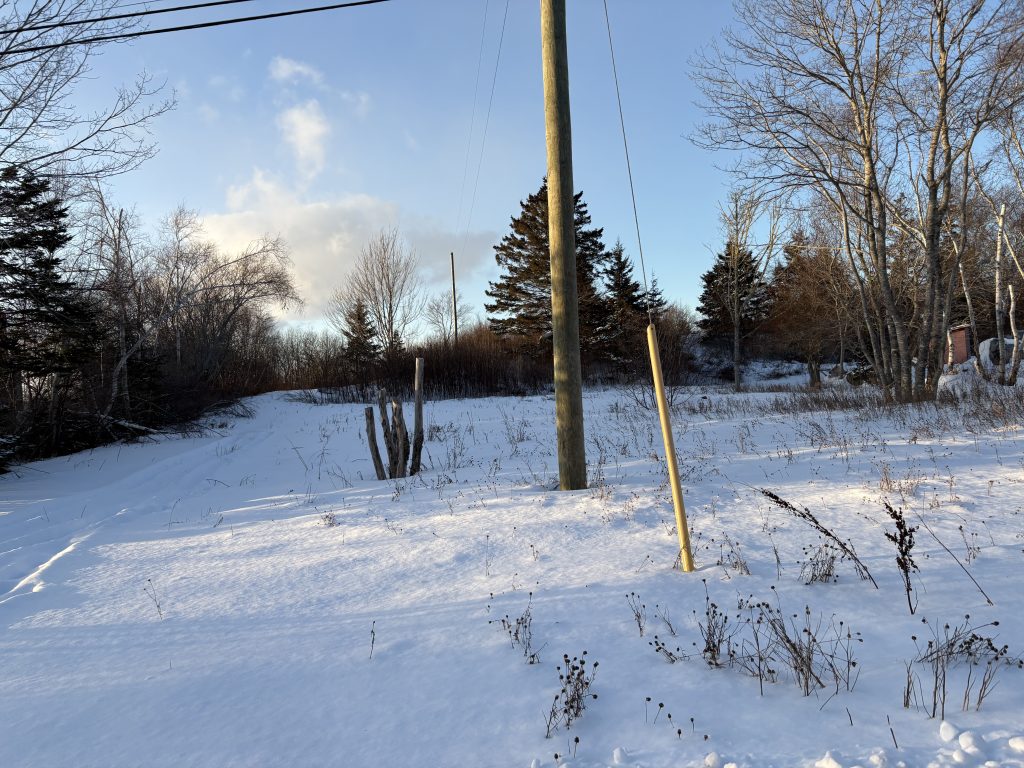
Region of Queens councillors rejected a property owner’s application to build four short-term rentals on this property on Fostertown Road in Port Medway. (Rick Conrad)

Region of Queens councillors made probably one of their easiest decisions at their regular meeting on Tuesday.

They rejected a bid to build an Airbnb that almost nobody wanted in their community.

Hans-Martin Klein, the owner of a vacant three-acre piece of land on Fostertown Road in Port Medway, wanted to build a single-family house for himself and four more single units to operate as seasonal rentals.

  • Listen to the audio version of this story:


Residents signed a petition against it, the region’s planning advisory committee recommended that council deny it and even the region’s planning staff said it should be rejected.

Under the municipality’s land use bylaw, fixed-roof overnight accommodations are not allowed in that part of the small village. It would require a change to the region’s land use bylaw to rezone the area.

Shelly Stevens is a Port Medway resident, who lives next door to the property.

“This area is made up of full-time residents who value safety, privacy and a quiet rural environment. Approving this rezoning would fundamentally alter the character of our community and reduce its liveability.”

Stevens told councillors that the road to the property is narrow, so it couldn’t accommodate increased traffic safely. She said the property owner’s proposal was also light on specifics.

“There’s no information on building size or sizes or layouts. There doesn’t appear to be any plan for garbage or recycling, or parking solutions, and no information on how many people the structures would accommodate.”

In addition to the petition, councillors said they also received a number of emails from residents opposed to it.

Deputy Mayor Maddie Charlton, who is a member of the planning advisory committee, said she was against the proposed development, especially since the region is planning a review of its land use bylaw and regulations around AirBnBs.

“There have been a lot of concerns raised about short-term rentals and how it affects our housing stock … this has been really problematic in Queens County. 
And so, we’re going to be looking at best practices to regulate those, where we want to encourage those, where we may not. And so that will have a really comprehensive review. So it didn’t make sense to entertain something like this.”

District 4 Coun. Vicki Amirault’s area includes Port Medway. She said the development would not fit with the location and characteristics of the small fishing village.

“As we have seen, many things such as the width of the road, the stone walls, the ditches, the flooding. There’s just so many points that stick out to deny this proposal.”

Councillors voted in December to hire an outside consultant to overhaul parts of its land use rules. One of those areas was the regulation of short-term rentals.

The consultant hasn’t been chosen yet, but the last time the region reviewed its land use bylaw and planning rules about eight years ago, it was expected to take about 18 months.

Email: rickconradqccr@gmail.com

Buyers looking for cheaper houses, as property assessment notices mailed this week

Assessment notices were sent to property owners this week. (Rick Conrad / File)

Nova Scotia property values continue to rise, but the double-digit increases seen during the Covid-fuelled buying spree are over.

Overall, total property assessments in Nova Scotia have topped $200 billion for the first time, with residential and commercial properties combining for $206.3 billion on 2026 assessments, according to numbers released Monday by the independent, non-profit Property Valuation Services Corporation.

Residential assessments rose by 8.5 per cent over 2025. That compares to an 11 per cent increase over 2024.

In Queens County, residential assessments rose by $151,836,700 or seven per cent over 2025. 

In 2025, they rose by 9.5 per cent and the 2024 assessments were 25 per cent higher than the year before.

Jeff Caddell, director of valuation standards for PVSC, told QCCR on Monday that lower-priced properties such as mobile homes are becoming more attractive. Even so, properties near the water are still popular.

“We’re starting to see a more focused demand for property. So, we’re seeing smaller, more affordable homes increasing at a faster pace from a market perspective, than higher-value homes. We’re also seeing more of those types of homes being constructed as well,” Caddell said.

“Queens County is no exception. We’re seeing a trend towards smaller homes, more moderately priced homes selling, we’re seeing good market growth, and those types of properties, manufactured homes across the province, the last couple of years we’ve seen strong market demand for those properties, and that’s continuing into this year as well. Semi-detached townhouses, duplexes, multi-units, we’re seeing market increase in those types of properties as well.”

Caddell said people are also looking for properties beyond urban areas like the Halifax region.

“So typically, provincially, much of that value increase is centred around HRM, the urban areas in the province, but we’re starting to see value shift outside of the urban cores in the province. So looking at small towns, small municipalities across the province, where there’s access to amenities. It’s these types of areas where we’re seeing good, strong market change, and as well as construction to meet the housing needs in those areas.”

2026 assessments are based on sales and financial data from 2024 and reflect a market value as of Jan. 1, 2025, and the physical state of properties as of Dec. 1, 2025.

Municipalities received the assessment roll for their region in mid-December.

The PVSC mailed 2026 assessments to more than 650,000 property accounts on Monday. 

This year’s Capped Assessment Program rate is 2.6 per cent, up from 1.5 per cent last year. About 72 per cent of residential properties qualify for the CAP, which limits the amount assessments can increase every year. Municipalities assess property taxes based on the CAP amount.

Caddell said they received about 9,000 appeals last year, with about 20 to 25 per cent of those having their assessments adjusted.

“So in many cases, the taxable doesn’t change, because it’s already lower than the market value assessment. So it’s just an important consideration, but if property owners have questions, they can certainly give us a call on that.”

The deadline to appeal your property assessment is Feb. 12.

Email: rickconradqccr@gmail.com

Listen to the audio version of this story below

Property assessments being mailed to Nova Scotians this week

Residential property assessment values increased by 9.5 per cent in Queens County over last year. (Rick Conrad photo)

Nova Scotians should start getting their 2025 property assessments in the mail this week.

Annual notices were being mailed out on Monday, according to the Property Valuation Services Corporation.

It appears assessed house values have cooled a bit from the year before. Overall, total residential assessments in Nova Scotia increased by just over 11 per cent, or $16.1 billion. The value of residential properties in Queens County rose by 9.5 per cent, or $189.3 million.

2024 residential assessments rose by 25 per cent in Queens County, and by 19.6 per cent in Nova Scotia as a whole.

Overall, Nova Scotia commercial property assessments rose by 2.79 per cent, compared to 9.32 per cent the year before.

The independent, non-profit body says 2025 assessments are based on sales and financial data and reflect a market value as of Jan. 1, 2024, and the physical state of properties as of Dec. 1, 2024, including new construction, renovations, demolitions, and impacts from natural disasters.

Municipalities received the assessment roll for their region in mid-December.

Jeff Caddell, director of valuation standards for the Property Valuation Services Corporation, told QCCR on Monday that the residential market cooled in 2023 after the Covid boom, but then rebounded later in the year.

“There was still lots of demand for properties, and a lower supply of properties on the market than we had in previous years. And we saw interest rates starting to creep up in 2023 before stabilizing in the later half of 2023.”

Caddell said they’re beginning to analyze sales data from 2024 now, so it’s too early to know whether there’s any kind of trend.

“We’re monitoring those sales coming in now. It’s hard to say what the trend will be going through 2024.”

This year’s rate for the Capped Assessment Program is 1.5 per cent, the Consumer Price Index for Nova Scotia.

The CAP limits the annual increase in taxable assessment for eligible properties to no more than the annual inflation rate. About two-thirds of residential properties qualify for the CAP in 2025.

People are getting their assessment notices, just as the Nova Scotia government approved changes to limit the capped assessment value of homes rebuilt after the wildfires in 2023.

Premier Tim Houston announced in a news release Friday that people who have rebuilt homes destroyed in the wildfires in Halifax and Shelburne counties won’t see an increase in their capped assessment.

Caddell says assessors are happy to answer people’s questions about their property. 

“There’s lots of property owners that contact us each year and it’s a great opportunity to engage with the property owner and talk about the market in their area, talk about their property specifically. If we can help somebody better understand the process, then we’re pleased with that.”

Residential and commercial property owners have until Feb. 13 to appeal their assessments. 

Email: rickconradqccr@gmail.com

Listen to the audio version of this story below

Local realtor says non-resident tax will alienate community, not solve housing crunch

A sign indicates a property is sold

COVID-19 has spurred home sales in Queens. Photo: Ed Halverson

New taxes targeting non-resident homeowners won’t address the affordable housing issue according to a local realtor.

Measures announced in last week’s provincial budget will impose a five percent deed transfer tax on the sale price of a home and a provincial tax of $2 per $100 of a home’s assessed value for anyone from outside the province purchasing a house in Nova Scotia.

Kristopher Snarby, managing associate broker with Exit Interlake Realty says everyone knows a lack of available housing has caused prices in the purchase and rental markets to soar but taxing buyers from outside the province won’t solve the issue.

“These new rules are only applying to people who don’t live here full time,” said Snarby. “For example, for me in the past year, I’ve dealt with a lot of Ontario buyers and Western Canadian buyers but they’re all moving here full time so nothing’s going to change on that front.”

Kristopher Snarby, managing associate broker EXIT Interlake
Realty in Liverpool/Bridgewater. Photo submitted by Kristopher Snarby

Another issue Snarby sees is the homes that would be subject to the tax aren’t generally in the price range for first-time homebuyers.

“It’s not the bread and butter. It’s not the $100,000 homes or the $200,000 homes. Probably a lot of them are oceanfront, lakefront, really high-end homes that are in the half million to a million-dollar range, and in Halifax even more, maybe. So, that’s the other part of the puzzle is that it’s not really the houses that the general public can afford.”

Snarby says many of the non-resident homeowners have come to the area year after year, supporting local businesses and services and have become part of the fabric of the community.

“My fear is we’re upsetting a lot of people who have contributed a lot to the province over the years and kind of slamming the door in their face saying, hey, you’re not welcome here anymore,” said Snarby.

Province says measuring effect of taxes will take years

Finance Minister Allan MacMaster says taxing non-residents will make more housing available in Nova Scotia because it attacks the problem on a couple of fronts.

First, the tax will raise money that government can put into affordable housing and second, it should cool demand for houses from buyers outside the province.

“It’s an inexact science. I will not come on and make claims that this will solve everything, these taxes will solve everything. But we do believe that they will have some impact and over the next two years we’ll be building a database,” said MacMaster. “We’ll know just how much we’ll be raising in terms of revenue, and we’ll know just how much of an impact these taxes will have on the housing market and whether or not they do, in fact, increase supply for Nova Scotians.”

Despite announcing the taxes to tackle the housing crisis, MacMaster says money collected won’t be set aside, instead, it will go into the provincial government’s general revenue.

“We haven’t collected a cent of these taxes to date, but we’ve already spent money last fall. We ear-marked $35 million for affordable housing, we added another $15 million in the budget that was introduced a week or so ago,” said MacMaster. “We’re taking in money and there’s money going out the door all the time and practically speaking, sometimes it’s difficult to just say, okay, we’re going to use these funds for a certain purpose.”

MacMaster says government will continue to look for ways to help Nova Scotians into homes but is definite on one thing.

“We need more housing. Whether it’s government purchased and managed housing, whether it’s co-operative housing or whether it’s private sector.”

MacMaster acknowledges building up the housing stock will take time and in the interim, government will make more rent supplements available to get people into rental units that may be outside their budget.

The new tax measures went into effect April 1.

E-mail: edhalversonnews@gmail.com
Twitter: @edwardhalverson

To listen to the broadcast of this story, press play below.

Pandemic ignites Queens County housing market

COVID-19 has spurred home sales in Queens. Photo: Ed Halverson

A hot housing market in Queens shows no signs of slowing down.

Kristopher Snarby, owner of Exit Realty in Liverpool and Bridgewater says the pandemic created a wild ride for sellers and buyers alike.

“It’s been a crazy year in a lot of ways. We started off, pretty normal winter, last January, February, March and then the pandemic hit and things slowed down for the early spring. Then May and June came and things really took off,” said Snarby.

According to the Nova Scotia Association of Realtors, 13,923 homes were sold in 2020, a 13% increase over 2019.

Kristopher Snarby, owner EXIT Realty in Liverpool/Bridgewater. Photo submitted by Kristopher Snarby

Snarby says Nova Scotia and the South Shore in particular have been getting a lot of attention from buyers outside the province.

“We just saw a lot of people from Ontario wanting to get out. Partly because of COVID,but also partly because they want a slower pace of life and the real estate prices here are so much cheaper,” said Snarby. “So we found a lot of people were choosing to sell their properties in Ontario and then buy something here, equally nice or nicer, at a fraction of the cost.”

That attention has gobbled up the inventory of available housing.

Snarby says many of those buying from Ontario are doing so without ever setting foot in the home before signing. Buyers will arrange to either have a friend look at the property or view it virtually through online videos. Snarby estimates he has sold 25 homes since May in this manner.

Because of the increase in demand, Snarby says he’s had to be proactive in finding homes for buyers.

“I’ve been making calls to people who I know who have been thinking of selling. I’ve been putting calls out on Facebook. A lot of our agents have been doing the same thing and through that we have had some people say, yeah, I’d like to sell,” said Snarby. “But the big challenge for them though, is that, a lot of times, there’s nothing for them to go to.”

Snarby says savvy sellers are watching the market for the home they want to become available before listing their houses.

When they do manage to find the right place, they’re paying 10 to 15 percent more than last year.

“It used to be that you could get a decent house in Queens County for $100,000 to $125,000. I would say, now you’re looking in the $150,000 to $200,000 range for the same kind of house,” said Snarby.

That’s consistent with the trends in selling prices across Nova Scotia. While that jump in price may cause sticker shock for locals, Snarby says Nova Scotia still isn’t seeing the drastic swings in prices experienced by other parts of the country.

“We’re not even close to the Toronto and the Vancouvers. You can’t get anything in Toronto for under seven-eight hundred thousand dollars. We’re definitely not there,” said Snarby.

He expects the hot housing market will continue into 2021.

“I think the secret of South Shore is out,” said Snarby. “I think people realize that we live in a great area with a lot to offer, close to the city but still that slower pace of life, it’s affordable, people are friendly.

Snarby suggests now may be the time for anyone looking to sell to put their home on the market.

“The thing right now is there’s still buyers out there who can’t find homes and there’s not much on the market. So right now, if you were to list a property, you don’t have a lot of competition. In the spring, you’re going to have more competition.”

Reported by Ed Halverson 
E-mail: edhalversonnews@gmail.com
Twitter: @edwardhalverson

To listen to the broadcast of this story, press play below.